
 By Lee Jonson
Modern marketing moves fast, and manual processes simply can’t keep up. Marketing automation tools help businesses streamline campaigns, nurture leads, personalize customer journeys, and measure performance with precision. Whether you run a startup or an enterprise, the right tools can save time, reduce costs, and improve conversion rates.
Below is a practical breakdown of the essential marketing automation tools every business should consider, along with what each category delivers.
What Is Marketing Automation?
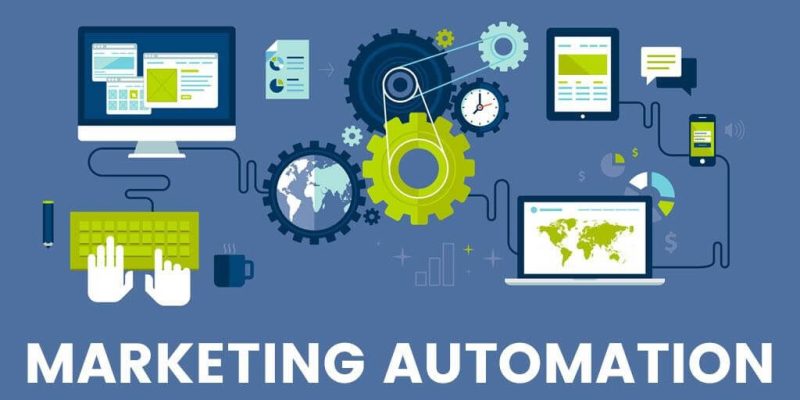
Marketing automation refers to software platforms that automate repetitive marketing tasks such as email campaigns, lead scoring, customer segmentation, and social media posting. These tools rely on user behavior, data triggers, and workflows to deliver the right message at the right time.
Key benefits include:
-
Improved efficiency across marketing teams
-
Consistent customer experiences
-
Data-driven decision-making
-
Higher ROI from campaigns
Email Marketing Automation Tools
Email remains one of the highest-performing digital channels. Automation tools make it scalable and personalized.
Why They Matter
Email automation allows businesses to send targeted messages based on actions like sign-ups, purchases, or inactivity.
Core Features to Look For
-
Drag-and-drop email builders
-
Automated drip campaigns
-
Behavioral triggers
-
A/B testing and analytics
Popular platforms in this category include Mailchimp, ActiveCampaign, and HubSpot.
Customer Relationship Management (CRM) Automation Tools
CRM automation bridges the gap between marketing and sales by managing leads and customer data in one place.
How CRM Automation Helps
-
Tracks customer interactions across channels
-
Automates lead scoring and assignment
-
Improves follow-up timing
Solutions such as Salesforce and HubSpot help businesses align marketing campaigns with sales goals.
Lead Generation and Nurturing Tools
Not every visitor is ready to buy. Lead nurturing tools guide prospects through the funnel with relevant content.
Essential Capabilities
-
Landing page and form creation
-
Lead scoring based on engagement
-
Automated follow-ups
Advanced platforms like Marketo excel at handling complex, multi-stage buyer journeys.
Social Media Automation Tools
Managing multiple social platforms manually is time-consuming. Social media automation tools ensure consistency and visibility.
What These Tools Do
-
Schedule posts in advance
-
Monitor brand mentions
-
Analyze engagement metrics
Tools such as Hootsuite help marketing teams stay active without being online 24/7.
Analytics and Reporting Automation Tools
Data is only useful if you can interpret it. Analytics automation tools consolidate insights into actionable reports.
Key Metrics They Track
-
Campaign performance
-
Conversion rates
-
Customer acquisition cost
Many marketing platforms include built-in analytics, while advanced users integrate external dashboards for deeper insights.
Workflow and Integration Automation Tools
Marketing stacks often include multiple platforms. Workflow automation tools connect them seamlessly.
Why Integration Matters
-
Eliminates manual data entry
-
Reduces errors
-
Improves cross-team collaboration
Tools like Zapier allow businesses to automate tasks across hundreds of apps without coding.
How to Choose the Right Marketing Automation Tools
Selecting the right tools depends on your business goals and resources.
Consider the following:
-
Business size and growth plans
-
Ease of use and scalability
-
Integration with existing systems
-
Budget and pricing structure
A well-chosen automation stack should evolve as your business grows, not limit it.
FAQs
1. Are marketing automation tools suitable for small businesses?
Yes, many platforms offer scalable plans designed specifically for small teams and startups.
2. How long does it take to see results from marketing automation?
Most businesses begin seeing measurable improvements within three to six months, depending on strategy and execution.
3. Do marketing automation tools replace human marketers?
No. They enhance productivity by handling repetitive tasks, allowing marketers to focus on strategy and creativity.
4. Is marketing automation difficult to set up?
Basic setups are straightforward, but advanced workflows may require training or expert support.
5. Can marketing automation improve customer experience?
Yes, automation enables personalized, timely communication that aligns with customer behavior and preferences.
6. What industries benefit most from marketing automation?
E-commerce, SaaS, healthcare, education, and B2B services see particularly strong results.
7. How do I measure the success of marketing automation?
Success is measured through KPIs such as lead conversion rates, engagement metrics, revenue attribution, and ROI.
By investing in the right marketing automation tools, businesses can build efficient systems that support sustainable growth, stronger customer relationships, and smarter decision-making.