
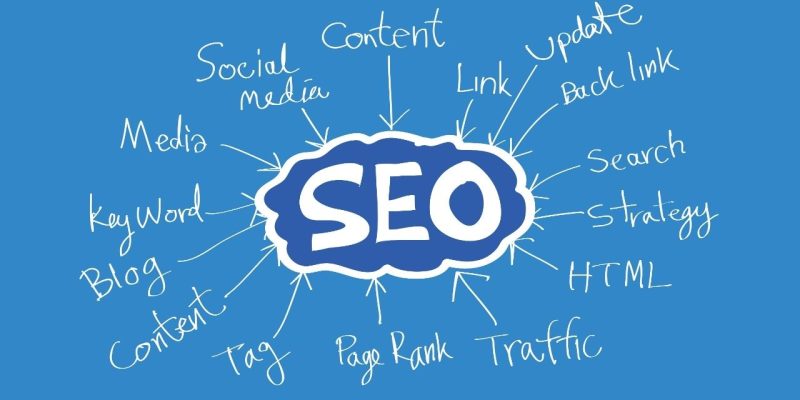
SEO

Unlocking Digital Visibility: A Comprehensive Guide to Mastering SEO in 2025

In the ever-evolving landscape of digital marketing, Search Engine Optimization (SEO) remains an indispensable tool for businesses seeking to enhance their online presence. More than a mere technical exercise, SEO is a sophisticated blend of art and science that demands strategic thinking, nuanced execution, and continual adaptation. This article delves into the multifaceted world of SEO, exploring foundational principles, advanced techniques, and emerging trends that every modern marketer must understand to succeed.

Understanding the Essence of SEO

At its heart, SEO is about ensuring that your website and content are discoverable by search engines like Google, Bing, and others. The ultimate goal is to improve rankings on search engine results pages (SERPs), driving organic traffic that is both relevant and engaged. Achieving this requires a deep understanding of how search engines interpret content and user intent.

The Pillars of Effective SEO Strategy

SEO rests on several key pillars, each vital to creating a robust and sustainable online presence.

1. Technical SEO

Technical SEO lays the groundwork for search engines to crawl, index, and understand your website efficiently. It involves optimizing site architecture, page speed, mobile-friendliness, and security.

  • Site Speed Optimization: Slow-loading pages frustrate users and are penalized by search engines. Compress images, leverage browser caching, and minimize code to boost performance.

  • Mobile Responsiveness: With mobile searches now dominating, ensuring your site adapts seamlessly to various devices is non-negotiable.

  • Secure Protocols: HTTPS is a must for protecting user data and enhancing trust signals.

  • Structured Data Markup: Implementing schema helps search engines interpret your content contextually, enabling rich snippets and improved visibility.

2. On-Page SEO

On-page SEO focuses on optimizing individual pages to align with targeted keywords and user intent. It’s where content quality meets strategic placement.

  • Keyword Research and Placement: Identifying high-value, relevant keywords and weaving them naturally into titles, headers, meta descriptions, and body text is foundational.

  • Content Quality: Engaging, original, and authoritative content not only satisfies users but also earns backlinks and social shares.

  • User Experience: Clean design, intuitive navigation, and clear calls to action reduce bounce rates and enhance engagement.

  • Internal Linking: Thoughtful internal links distribute page authority and guide visitors through your site’s content journey.

3. Off-Page SEO

Off-page SEO encompasses activities outside your website that impact your rankings, primarily through building credibility and authority.

  • Backlink Acquisition: Earning links from reputable and relevant websites signals trustworthiness to search engines.

  • Social Media Engagement: While social signals are indirect ranking factors, active social presence amplifies reach and fosters brand awareness.

  • Online Reputation Management: Positive reviews, citations, and mentions across digital platforms contribute to your domain’s authority.

Crafting SEO Content with Intent and Elegance

Content remains the linchpin of SEO success. However, effective SEO content transcends keyword stuffing and embraces a refined approach that balances optimization with reader value.

  • Address User Intent: Understand whether the user is seeking information, looking to make a purchase, or comparing options, and tailor content accordingly.

  • Long-Form Content: In-depth articles tend to perform better, providing comprehensive answers that satisfy multiple facets of a query.

  • Multimedia Integration: Incorporate images, videos, infographics, and interactive elements to enrich the user experience and reduce bounce rates.

  • Consistent Updates: Refresh existing content regularly to maintain relevance and reflect evolving trends or data.

The Rising Importance of Semantic Search and AI

Modern search engines increasingly leverage artificial intelligence to interpret context rather than relying solely on keywords. Semantic search evaluates the meaning behind queries, considering synonyms, related concepts, and user behavior.

  • LSI Keywords: Latent Semantic Indexing keywords complement primary terms, helping search engines understand thematic relevance.

  • Voice Search Optimization: The proliferation of voice assistants demands conversational and natural language content tailored to spoken queries.

  • Featured Snippets and Zero-Click Searches: Structuring content to answer questions succinctly can capture coveted snippet positions, enhancing visibility without requiring clicks.

Local SEO: Dominating the Neighborhood

For businesses targeting local clientele, local SEO is crucial. It optimizes your presence for location-based searches and drives foot traffic.

  • Google Business Profile Optimization: Accurate and complete listings, with up-to-date contact information, hours, and photos, improve local search rankings.

  • Local Citations: Consistent mentions of your business name, address, and phone number across directories build credibility.

  • Customer Reviews: Encouraging and responding to reviews fosters trust and boosts rankings.

  • Localized Content: Creating blog posts or landing pages relevant to local events, news, or issues resonates with nearby audiences.

Measuring SEO Success: Metrics That Matter

Continuous monitoring and analysis are essential for refining SEO efforts and justifying investments.

Key performance indicators include:

  • Organic Traffic: The volume of visitors arriving through unpaid search results.

  • Keyword Rankings: Tracking positions for priority keywords over time.

  • Bounce Rate and Dwell Time: Indicators of content relevance and user satisfaction.

  • Conversion Rates: How effectively SEO traffic translates into desired actions, whether sales, sign-ups, or inquiries.

  • Backlink Profile: Quantity, quality, and diversity of inbound links.

Leveraging tools such as Google Analytics, Search Console, Ahrefs, or SEMrush provides actionable insights to optimize strategy dynamically.

The Future of SEO: Embracing Change with Poise

SEO is far from static; it demands adaptability and foresight. Emerging trends to watch include:

  • Core Web Vitals: Google’s emphasis on user experience metrics like loading speed, interactivity, and visual stability.

  • AI-Generated Content: While promising efficiency, ethical considerations and quality control remain paramount.

  • Visual and Video Search: Increasingly, users employ images and videos to search, requiring new optimization techniques.

  • Privacy and Data Regulation: Navigating evolving policies impacts data collection and targeting strategies.

Conclusion: SEO as a Strategic Imperative, Not a One-Time Fix

Mastering SEO is an ongoing journey that integrates technical precision, creative content, and strategic insight. It is less about chasing algorithms and more about delivering genuine value to users while making your site accessible and authoritative in the eyes of search engines.

For businesses and creators willing to invest time and thoughtful effort, SEO offers a sustainable path to visibility, credibility, and growth. As the digital terrain shifts, those who approach SEO with elegance, intelligence, and adaptability will not merely survive—they will flourish.

What is your reaction?

Excited
0
Happy
0
In Love
0
Not Sure
0
Silly
0

You may also like

More in:SEO