 By Lee Jonson
Introduction: The Unseen Architecture of Modern Life
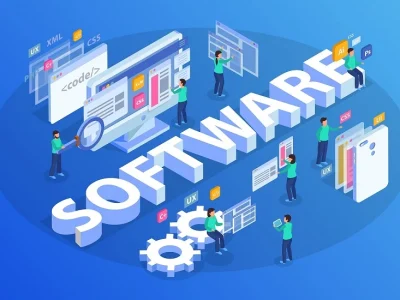
In the quiet hum of our daily routines, one force quietly orchestrates the conveniences and marvels we so often take for granted: software. While the gleaming hardware—the smartphones, laptops, and smartwatches—captures the eye, it is the invisible layers of code within that truly empower these tools to transform how we live, work, and connect. Far from mere technical jargon, software represents an evolving craft—one that blends logic, creativity, and human ambition into a force that shapes industries and cultures alike.
What Exactly Is Software?
At its essence, software is a series of coded instructions that tells hardware how to perform tasks. Without software, even the most advanced device is nothing more than a polished shell—an orchestra with no sheet music. Software breathes life into silicon, turning passive components into dynamic problem-solvers.
Two Faces of Software
To understand how software operates, it helps to break it down into two fundamental categories
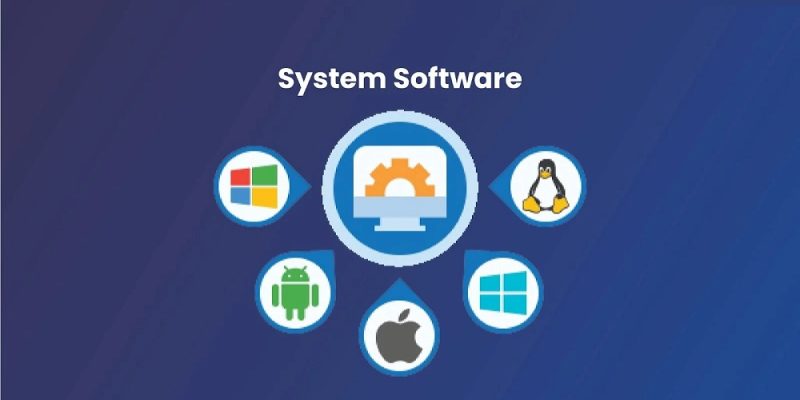
System Software
This is the bedrock that makes devices usable. Operating systems like Windows, Linux, or iOS manage hardware resources, coordinate processes, and provide an environment where other programs can run.
Application Software
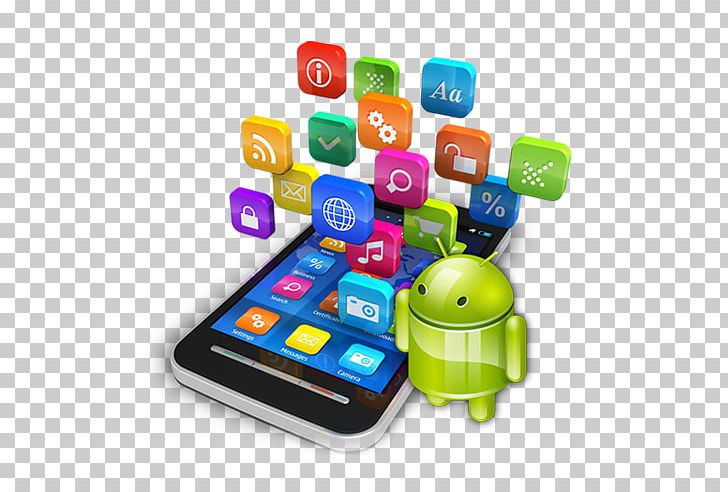
These are the tools we interact with daily—word processors, browsers, mobile apps, games, design suites. Application software turns abstract potential into real-world functionality, allowing users to perform tasks, solve problems, and express creativity.
The Evolution: From Command Lines to Clouds
Software’s journey from clunky command lines to intuitive touch interfaces mirrors the broader story of technological progress.
Early Days
In the 1940s and 50s, software development was laborious and limited to academia and government. Programs were physically inputted via punch cards and functioned within enormous machines that filled entire rooms.
Personal Computing Revolution
The arrival of personal computers in the 1980s—spearheaded by pioneers like Apple and Microsoft—ushered software into homes and offices. Graphical interfaces replaced cryptic text commands, making software accessible to non-technical users.
The Internet Age
The 1990s and 2000s marked an explosion in connectivity. Software no longer lived solely on a single device; it became a gateway to the World Wide Web. Browsers, email clients, and online services transformed software into a bridge to an ever-expanding digital universe.
Cloud Computing and Beyond
Today, software lives everywhere—on devices, in the cloud, on servers halfway across the globe. With the rise of SaaS (Software as a Service), businesses and individuals can access powerful tools without expensive local installations. Updates, security, and collaboration have become seamless, demonstrating how fluid and borderless software can be.
How Software Shapes Industries
The reach of software extends into every corner of the modern economy, reinventing how industries function and deliver value.
Healthcare
-
Electronic medical records streamline patient care and improve accuracy
-
Diagnostic software supports doctors in reading scans and test results with AI precision
-
Telemedicine platforms connect patients with specialists anywhere in the world
Finance
-
Mobile banking apps make personal finance management accessible at your fingertips
-
High-frequency trading algorithms move billions in milliseconds
-
Fraud detection systems analyze transactions in real time, safeguarding assets
Creative Industries
-
Design and editing software empower photographers, filmmakers, and musicians to produce studio-quality work from a laptop
-
3D modeling software fuels architecture, animation, and game development
-
Digital publishing platforms democratize content creation for writers and artists
Education
-
E-learning platforms deliver interactive lessons worldwide
-
Learning management systems help educators track progress and personalize instruction
-
Virtual classrooms break geographical barriers, making knowledge universally accessible
The Process Behind the Magic
Behind each sleek app or intricate system is a meticulous process that blends structure with imagination.
Stages of Software Development
-
Planning: Identifying the problem to solve and outlining clear objectives
-
Design: Mapping user experiences, interfaces, and system architecture
-
Coding: Developers write the actual instructions in languages like Java, Python, or Swift
-
Testing: Rigorous trials identify bugs, security flaws, and performance issues
-
Deployment: The software is released into the wild, with ongoing updates and support
Modern methodologies like Agile and DevOps have reshaped how software teams operate, favoring flexibility, collaboration, and continuous improvement over rigid, linear workflows.
Ethical Dimensions: Software’s Silent Responsibilities
As software’s influence grows, so too does its power to impact lives for better or worse. Ethical software development is now as crucial as technical skill.
Key Considerations
-
Privacy: Handling user data responsibly and securely must be non-negotiable
-
Accessibility: Software should be usable by people of all abilities, reflecting a commitment to inclusion
-
Bias and Fairness: Algorithms that shape decisions—like hiring or lending—must be designed to avoid reinforcing human prejudices
-
Sustainability: As data centers consume significant energy, efficient coding and mindful infrastructure can help reduce environmental impact
The Future: Trends Redefining Software
Tomorrow’s software will push the boundaries of what we think possible, embedding itself deeper into daily life while raising new challenges and opportunities.
Artificial Intelligence
Software is evolving from passive instruction to adaptive intelligence. AI-powered tools learn from data, automate complex tasks, and even write other software.
Low-Code and No-Code Development
Platforms that allow non-programmers to build applications are democratizing innovation, empowering entrepreneurs and small businesses to bring ideas to life with minimal technical hurdles.
Edge Computing
Processing data closer to where it’s generated reduces latency—essential for technologies like autonomous vehicles, smart cities, and the Internet of Things.
Cybersecurity by Design
As digital threats grow more sophisticated, future software will embed security at every layer, from development pipelines to user interfaces.
Closing Thoughts: Crafting the Digital Future
Software, at its core, is human ingenuity translated into lines of logic that breathe life into cold circuits. It is the silent partner behind the ways we learn, heal, work, and dream. Every breakthrough in our digital age owes its existence to code thoughtfully written, tested, and refined by teams of unseen architects who imagine a better way to connect people and possibilities.
The next time you unlock your phone, run a program, or send a message across the world in seconds, remember: it is not the hardware alone that makes it possible, but the elegant choreography of software—a testament to what we can achieve when human creativity meets digital craft. In an age where change is the only constant, software remains the invisible engine propelling us forward, one line of code at a time.