
Software

Software in the Modern Era: The Invisible Backbone of Innovation and Efficiency

In today’s fast-paced world, software quietly but profoundly shapes nearly every aspect of our lives. From the applications on our smartphones to complex systems managing global enterprises, software is the invisible engine driving progress, connectivity, and productivity. Yet, beyond the lines of code lies a vast ecosystem of design philosophies, development methodologies, and strategic considerations that define software’s true value. This article delves into the essence of software, exploring its evolution, types, and the subtle intricacies that make it indispensable in the contemporary landscape.

Understanding Software: More Than Just Code

At its core, software refers to the programs and operating information used by computers and devices. Unlike hardware, which constitutes the physical components, software is intangible—a set of instructions that enable hardware to perform specific tasks.

The beauty of software lies in its versatility. It can be crafted to solve problems, entertain, facilitate communication, or automate complex processes. Its design requires not only technical expertise but also a deep understanding of user needs and business goals.

The Evolution of Software: From Simple Scripts to Complex Ecosystems

Software development has come a long way since the early days of punch cards and basic instructions. The journey reflects a constant pursuit of efficiency, scalability, and usability.

  • Early Beginnings: Initial software was rudimentary, often tailored for specific machines, with minimal user interaction.

  • Rise of Operating Systems: The creation of operating systems like UNIX and Windows standardized interactions, making computing accessible to a broader audience.

  • Advent of Application Software: Programs designed for word processing, spreadsheets, and databases revolutionized office work and personal productivity.

  • Emergence of Web and Mobile Apps: The internet age and mobile revolution introduced dynamic, cloud-based, and on-the-go software solutions.

  • Modern Trends: Artificial intelligence, machine learning, and edge computing now push software into realms of predictive analytics and autonomous operation.

Types of Software: Categorizing the Digital Craft

Understanding the various categories of software helps appreciate its multifaceted role.

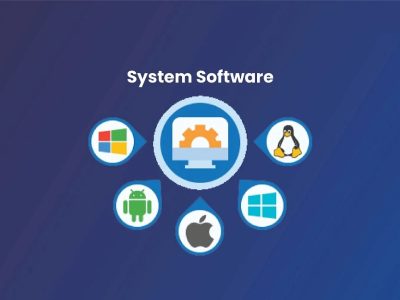
  • System Software: This includes operating systems, device drivers, and utilities that manage hardware and provide a platform for other software.

  • Application Software: Designed for end-users, these range from productivity tools like Microsoft Office to creative software such as Adobe Photoshop and communication platforms like Slack.

  • Middleware: Serving as a bridge between different software applications or between applications and hardware, middleware facilitates data exchange and interoperability.

  • Embedded Software: Found in devices like cars, medical equipment, and household appliances, embedded software controls specific hardware functions.

  • Open Source vs. Proprietary Software: Open source offers transparency and collaboration, while proprietary software provides controlled environments with dedicated support.

The Software Development Lifecycle: A Blueprint for Excellence

Behind every functional piece of software lies a meticulous development process, often described as the Software Development Lifecycle (SDLC). It encompasses phases that ensure software meets user expectations and maintains quality.

  • Requirement Analysis: Understanding what users and stakeholders need, setting clear objectives.

  • Design: Architecting the system, defining components, interfaces, and data flow.

  • Implementation: Writing the actual code, often involving multiple programmers and tools.

  • Testing: Rigorous examination to identify and resolve defects, ensuring reliability.

  • Deployment: Releasing the software for use, often staged in phases.

  • Maintenance: Ongoing updates, bug fixes, and enhancements to adapt to changing needs.

Agile methodologies, emphasizing iterative development and collaboration, have gained prominence, enabling flexibility and faster delivery.

The Art of Software Design: Balancing Functionality and User Experience

Effective software is not merely functional—it must be intuitive, efficient, and enjoyable to use. Software design blends technical precision with human-centered thinking.

  • User Interface (UI) and User Experience (UX): Thoughtful UI/UX design ensures that software is accessible and engaging, reducing friction and errors.

  • Scalability: Designing software that can grow with demand prevents costly overhauls.

  • Security: Incorporating robust security measures from the outset safeguards data and builds trust.

  • Performance Optimization: Efficient code and resource management deliver smooth, responsive experiences.

Software’s Role in Business Transformation

In the corporate arena, software is the backbone of innovation and competitive advantage.

  • Automation: Streamlining routine tasks increases productivity and reduces errors.

  • Data Management: Sophisticated software enables collection, analysis, and visualization of vast data sets for informed decision-making.

  • Customer Engagement: CRM systems and marketing automation personalize interactions and nurture relationships.

  • Collaboration: Cloud-based platforms empower distributed teams to work seamlessly.

Investing in custom software solutions tailored to specific business needs often yields significant returns through enhanced efficiency and agility.

Challenges and Considerations in Software Development

Despite its transformative power, software development is fraught with challenges.

  • Complexity Management: Large projects can become unwieldy without proper planning and modularization.

  • Quality Assurance: Detecting and fixing bugs before deployment is critical but resource-intensive.

  • Changing Requirements: Adapting to evolving user needs demands flexibility.

  • Technical Debt: Shortcuts in coding or design may cause long-term maintenance burdens.

  • Ethical Implications: Software decisions can affect privacy, accessibility, and societal norms.

Awareness and proactive management of these factors are essential for sustainable success.

The Future of Software: Toward Intelligent and Ubiquitous Systems

Looking forward, software will continue to evolve, increasingly blending with emerging technologies and becoming ever more integral.

  • Artificial Intelligence and Machine Learning: Enabling systems to learn, adapt, and make autonomous decisions.

  • Internet of Things (IoT): Connecting everyday objects through software for smarter environments.

  • Quantum Computing: Potentially revolutionizing processing power and problem-solving capabilities.

  • Low-Code/No-Code Platforms: Democratizing software creation beyond traditional programmers.

  • Ethical AI and Responsible Software Development: Emphasizing fairness, transparency, and accountability.

Conclusion: Software as the Foundation of the Digital Age

Software is much more than code; it is a carefully crafted bridge between human ambition and technological capability. Its invisible presence powers innovations, streamlines industries, and connects the world in ways once unimaginable. Mastering the art and science of software development—through thoughtful design, strategic planning, and ethical consideration—is essential for anyone aspiring to shape the future.

In the grand symphony of modern life, software plays a subtle yet indispensable role, orchestrating complexity into harmony and transforming ideas into reality with elegance and precision.

What is your reaction?

Excited
0
Happy
0
In Love
0
Not Sure
0
Silly
0

You may also like

More in:Software